ABOUT THE BENEFICIARY
The Police Intelligent Car (PICAR) project was implemented for a complex institutional ecosystem in the Republic of Moldova, comprising the General Police Inspectorate (IGP), the e-Governance Agency (AGE), and the Public Services Agency (ASP). These institutions play complementary roles in the functioning of the state. The IGP is responsible for operational law enforcement and public order, the AGE leads the digital transformation of government services, and the ASP manages critical national registries, including vehicle registration and population records.
Their close collaboration was instrumental in delivering an integrated initiative that not only modernizes police operations but also enables intelligent, nationwide data connectivity.
THE ARCHITECTURE AND STAGES OF THE PROJECT
The PICAR solution is built on a modern, modular, and scalable architecture designed for seamless integration with existing systems and future expansion. It combines edge computing capabilities — allowing data processing directly within the vehicle — with real-time integration into central systems, ensuring both rapid response and data consistency.
SOLUTION ARCHITECTURE
Back-end:
- mServer – the central platform core, responsible for data management and integration with national databases
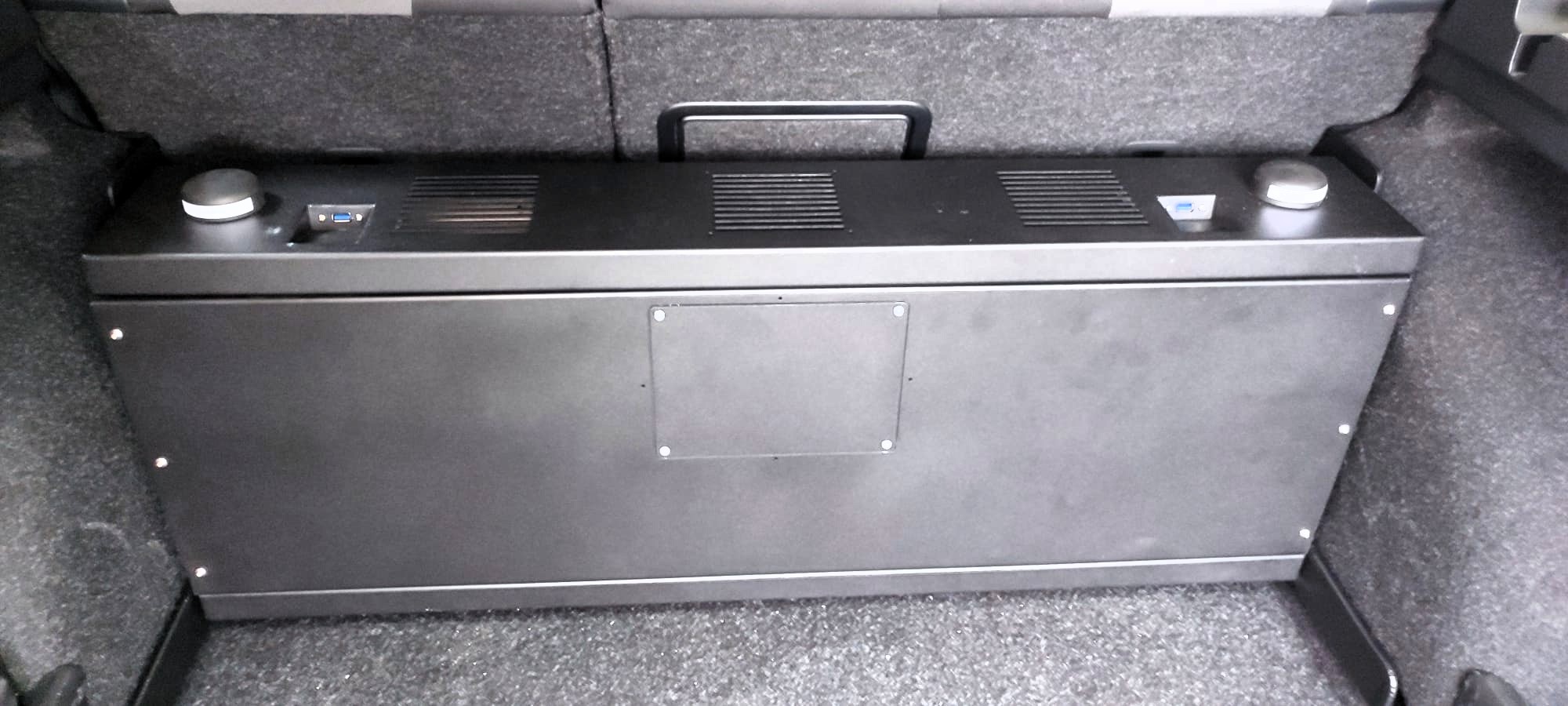
- mBox – the in-vehicle unit handling local processing and connectivity
Front-end:
- mOffice – a command center interface for monitoring and coordination
- mPatrol – a field application used by officers across multiple device types
Technology Ecosystem – the solution integrates a comprehensive set of technologies, including:
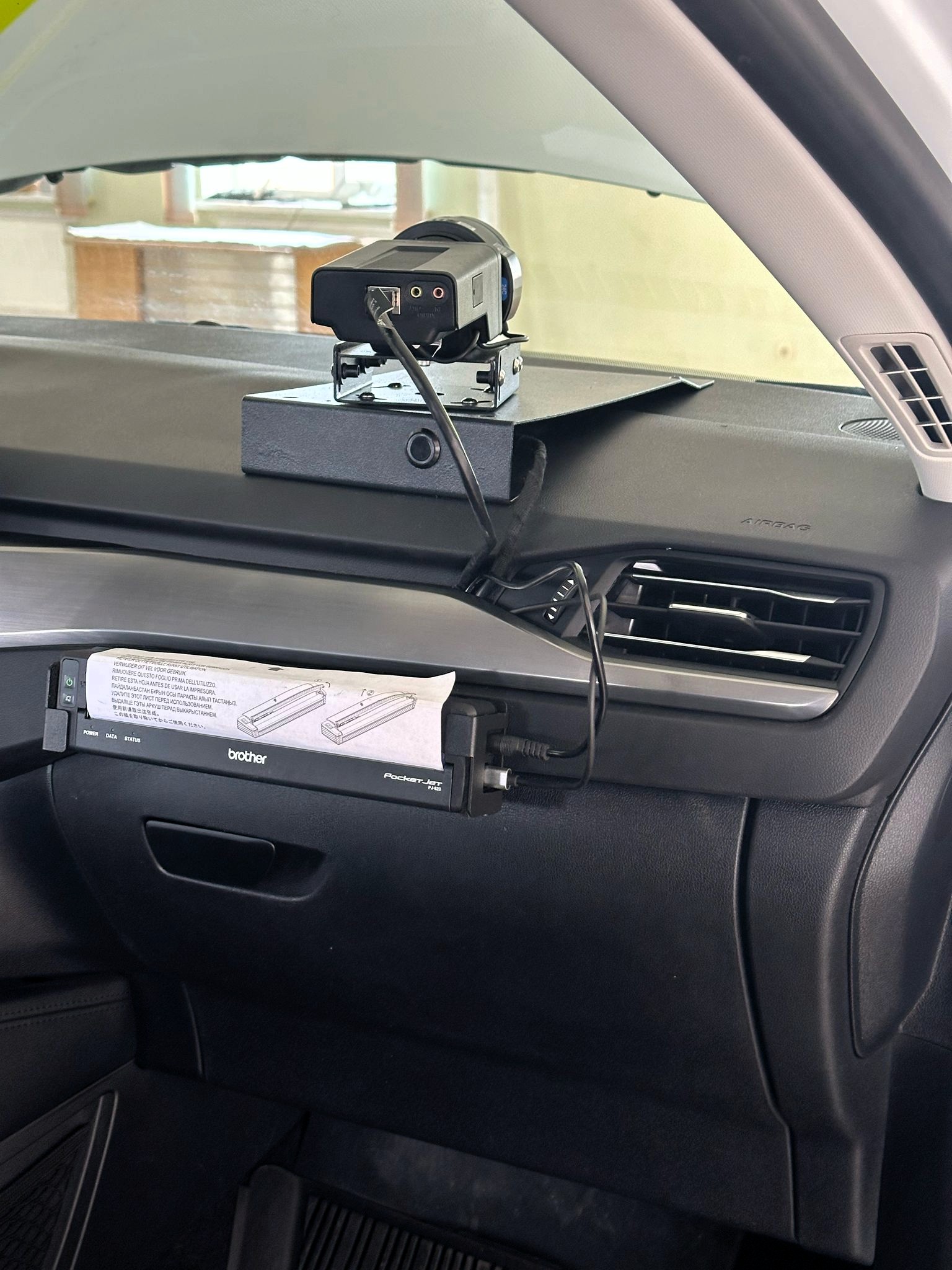
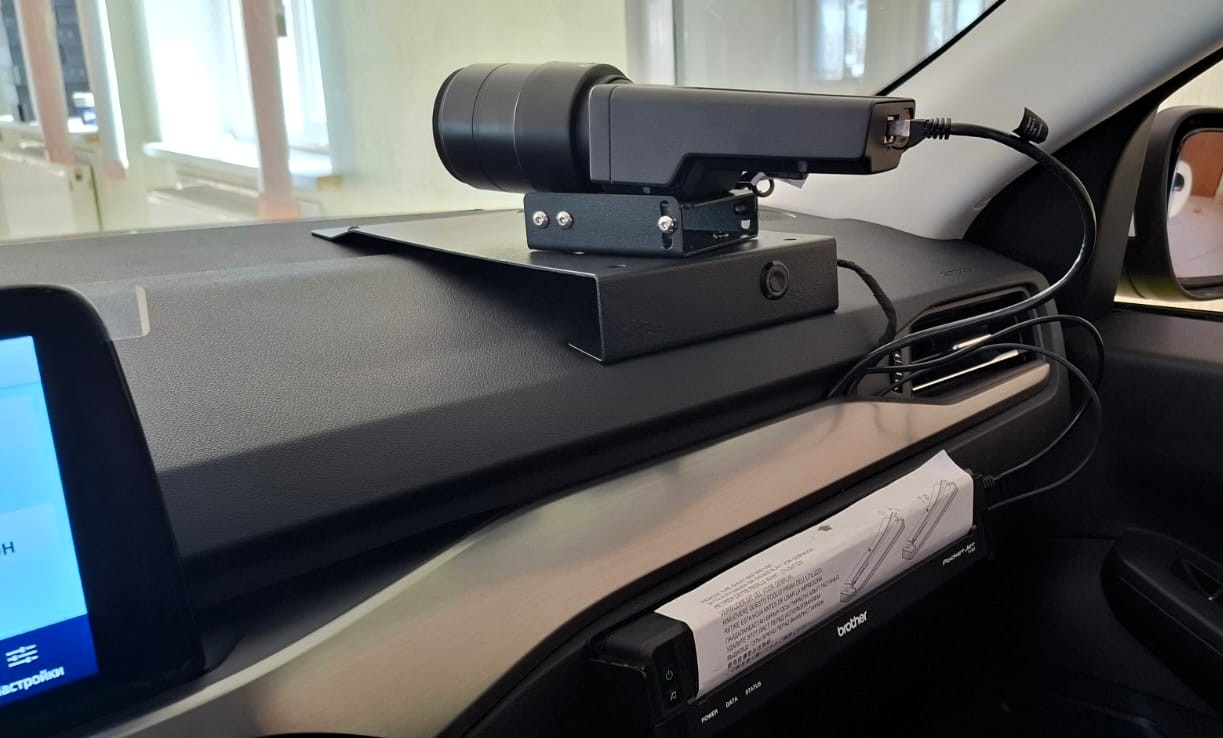
- 360° video systems with continuous, tamper-proof recording
- DOPPLER radar and the mSpeedDetV system for speed enforcement
- high-precision GPS for real-time positioning
- OCR and document scanning (MRZ, RFID)
- infrared illumination for low-visibility conditions
- secure, encrypted communications
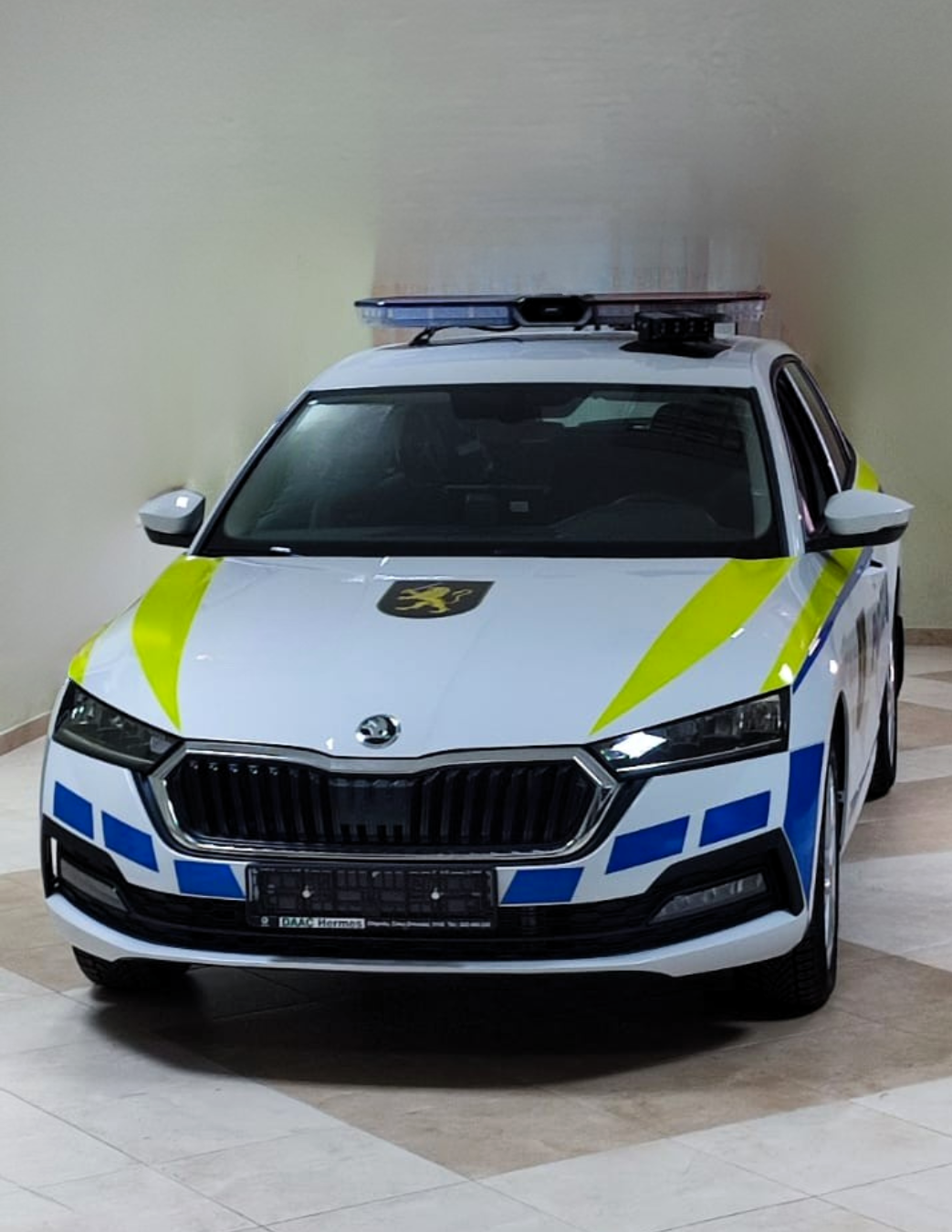
Implementation phases: Deployment began with a pilot phase, during which 31 vehicles were equipped and tested under real operational conditions. This phase enabled functional validation, optimization of system integrations, and readiness for nationwide rollout.
KEY BENEFITS
The impact of the project is already visible in the day-to-day operations of the Police of the Republic of Moldova, both at operational and strategic levels. Police vehicles are no longer just means of transport, but have evolved into mobile digital platforms that support the entire law enforcement process — from identification and verification to documentation and enforcement.
One of the most significant outcomes is the substantial reduction in response time. Relevant information is instantly available, allowing officers to act immediately without relying on manual checks or delayed communication.
At the same time, the automation of administrative processes — such as report completion and fine issuance — reduces bureaucratic burden and enables officers to focus on high-value operational activities.
The system also contributes to improved traffic compliance by enabling rapid identification of vehicles without valid documentation and repeat offenders. In parallel, the ability to collect and manage evidence (photo, video, contextual data) strengthens case files and enhances investigative efficiency.
At a broader level, the project supports transparency and traceability of police actions, optimizes resource utilization, and delivers financial benefits through improved fine collection rates.
POTENTIAL FURTHER DEVELOPMENTS
Following the success of the initial phase, authorities in the Republic of Moldova are planning a large-scale rollout. This includes expanding the number of equipped vehicles and extending deployment to additional formats such as unmarked cars and motorcycles, ensuring broader operational coverage.
Future development directions include:
- integration of facial and biometric recognition technologies
- deployment of predictive analytics to identify high-risk areas
- detection of anomalous traffic behavior and complex crime patterns
- automated generation of analytical reports and performance indicators
Efforts are also underway to further enhance system resilience and connectivity, ensuring consistent performance even in low-coverage environments. With over 2,400 vehicles deployed globally, the Mosy platform demonstrates proven maturity and scalability, providing a strong foundation for continued expansion.